Buying Guidance
Top-Load vs Front-Load Washers for Clarksville Homes
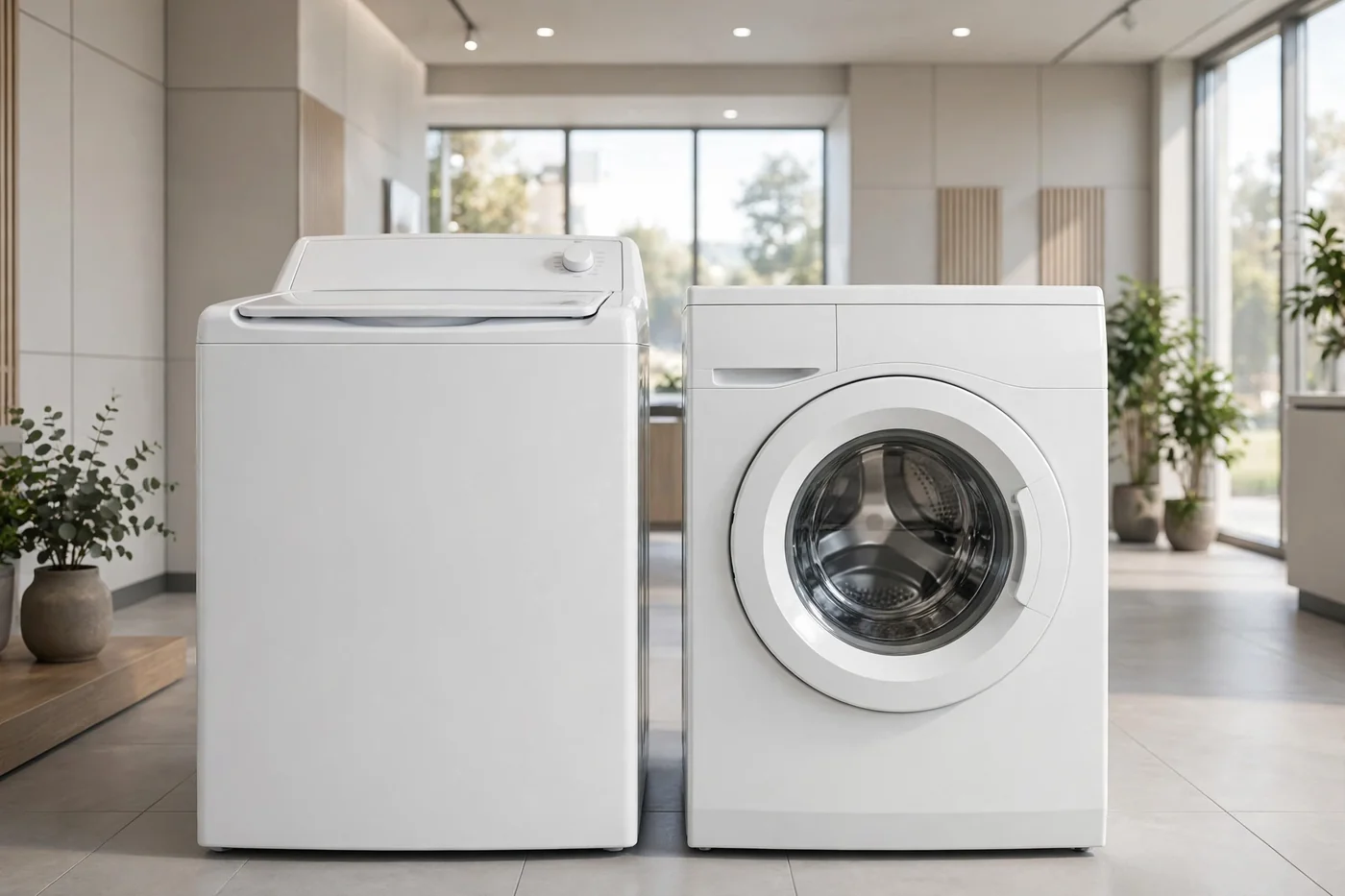
There’s no single winner, and anyone who tells you otherwise is selling something. The right machine for a Clarksville household comes down to five questions about your space, your habits, and your budget. Answer them honestly and the choice mostly makes itself.
Question one: where will it live?
Start with a tape measure, not a showroom. Front-loaders can be stacked with the dryer or tucked under a counter, which makes them the answer for tight laundry closets. Top-loaders need clearance above for the lid, so they are out in a closet and right at home in a big laundry room. If you are out on the rural edge with room to spare, say Woodlawn and similar, space is not the constraint and the simpler machine starts looking attractive. Measure your space, door swing, and lid clearance before you fall in love with a model.
Question two: who does the laundry, and how often?
Big families running back-to-back loads every day, the Fort Campbell households and Sango subdivisions we see constantly, should weigh two things. Top-loaders often finish a cycle faster, which matters when the machine never stops. Front-loaders spin faster, so clothes come out drier and the dryer works less, a real perk when the dryer runs daily too. And the small human factor: top-loaders let you toss in a forgotten sock mid-cycle without a pause-and-drain dance.
Question three: what does your water cost you?
This is the front-loader’s clearest advantage. It tumbles clothes through a small pool of water instead of filling a deep tub, so it uses notably less water per load, and less hot water means lower energy use. Over years of family laundry, that adds up on the bills. Clarksville’s city water is moderately hard, about 6 grains per gallon, and both types build up scale over time, so descaling cycles matter either way; our hard water guide explains the habits that help.
Question four: what is your repair-budget personality?
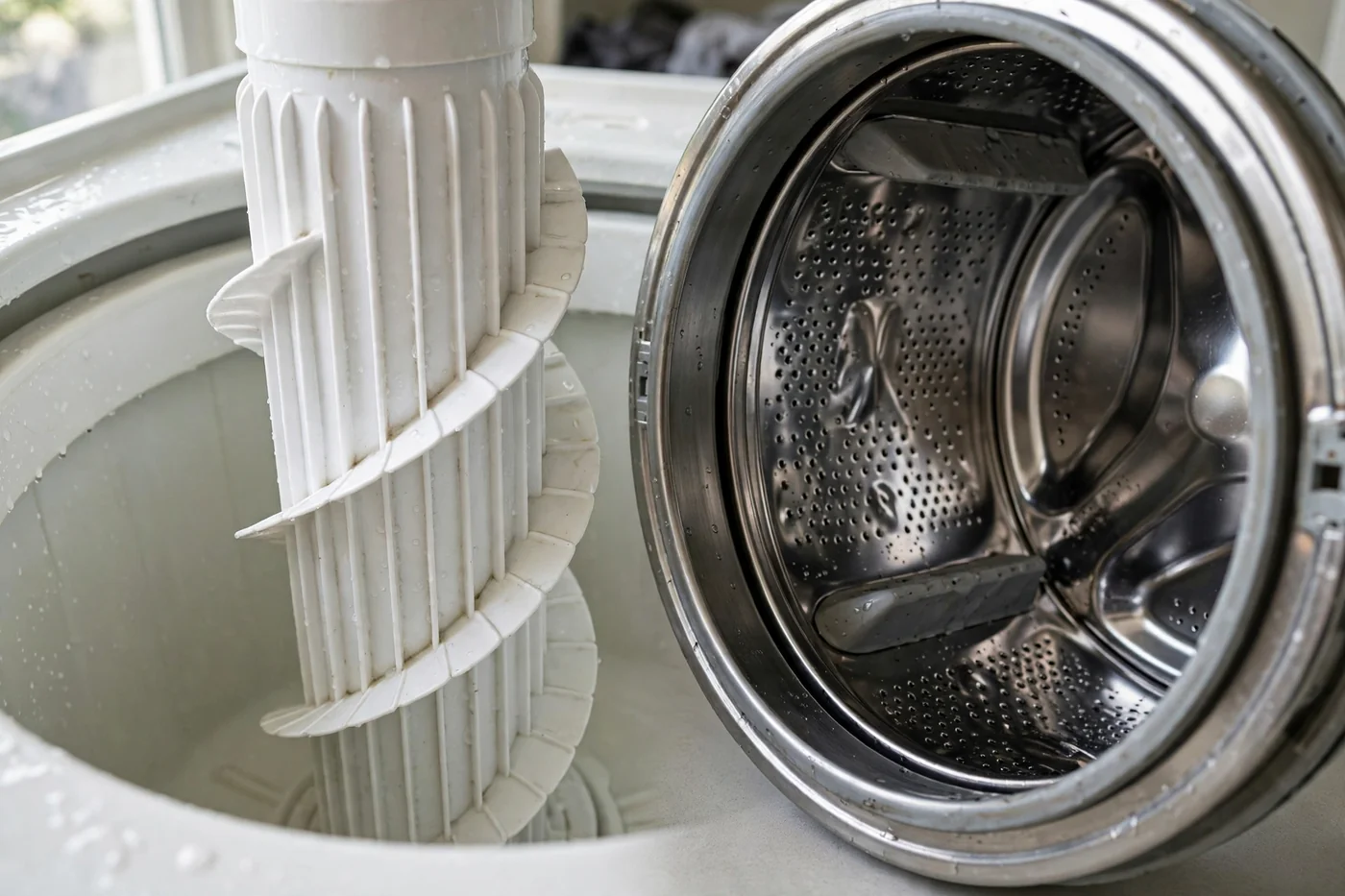
Here is where our technician perspective matters. Top-loaders are typically simpler machines: fewer seals, easier cabinet access, and common, inexpensive parts, so most repairs are quick jobs. Front-load repairs can be bigger undertakings; a bearing replacement, for example, means taking much of the machine apart. That does not make front-loaders a bad buy, but it changes the repair-vs-replace math on an older machine. If you own either type and it starts acting up, our top-load washer repair and front-load washer repair pages explain what we look for on each.
Question five: will you do the one extra habit?
Front-loaders ask one thing of you in our humid summers: leave the door ajar after loads and give the gasket a weekly wipe, or mildew moves in and you will smell it before you see it. Top-loaders air-dry on their own between loads and ask less of you here. Be honest with yourself about which kind of owner you are. If you want the full care routine for a front-loader, our front-load washer repair page covers it in detail.
Which fits which Clarksville home
| Your situation | Leans toward | Why |
|---|---|---|
| Tight laundry closet or stacked setup | Front-load | Stacks with the dryer; fits under counters |
| Big family, back-to-back loads daily | Either | Front-load saves water/energy; top-load often finishes cycles faster |
| Rural-edge home with a big laundry room (Woodlawn and similar) | Top-load | Space isn’t the constraint; simpler machine, simpler repairs |
| You forget socks and want to add them mid-cycle | Top-load | No locked door, no pause-and-drain dance |
| You want the driest possible spin to cut dryer time | Front-load | Higher spin speeds wring out more water |
Whatever you choose, buy the machine that fits how you actually live, not the one with the longest feature list. And keep the manual somewhere you can find it; we ask for the model number on every service call, and the manual is where it lives.
Are front-load washers better for humid climates like Clarksville?
They're not automatically better or worse. Front-loaders use less water and energy, but their door gaskets trap moisture, which can grow mildew in humid summers if you don't leave the door ajar and wipe the gasket. Top-loaders air-dry more easily between loads. Both work fine here; the front-loader just needs one extra habit.
Which washer type is cheaper to repair?
Top-loaders are usually simpler and cheaper to repair: fewer seals, easier access, and common parts. Front-load repairs like bearing replacement are bigger jobs because the drum assembly has to come apart. That's not a reason to avoid front-loaders, but it matters when you're doing repair-vs-replace math on an older machine.
Do front-load washers really clean better?
They clean differently: tumbling action with less water versus the deeper soak and agitation of a top-loader. Most households will be happy with either. What matters more for cleaning results is using the right detergent dose and running a monthly cleaning cycle, not the door position.
Which is better for a small laundry room or closet?
Front-loaders, because they can be stacked with the dryer or tucked under a counter with the controls on the front. Top-loaders need clearance above for the lid, which rules them out of tight closets. Measure your space, door swing, and lid clearance before you fall in love with a model.
Does hard water affect one washer type more than the other?
Clarksville's city water is moderately hard, about 6 grains per gallon, which leaves mineral deposits on heating elements and in dispenser drawers over time on both types. Front-loaders use less water per load, so they bring slightly less mineral through the machine, but both benefit from correct detergent dosing and periodic descaling cycles.